Sarson Ka Saag Best And Easy Recipe (Authentic & Traditional)
.jpg "Makka Bread with Sanrson Sag ready to eat")
Sarson Ka Saag
.jpg "Makka Bread with Sanrson Sag ready to eat") |
Sarson Ka Saag |
Sarson Ka Saag Best And Easy Recipe (Authentic & Traditional)
How to cook Indian cuisine food - punjabi Sarson Ka Saag is a beloved winter delicacy enjoyed across North India, especially in Punjab. This hearty, wholesome dish is made using mustard greens (sarson) along with other leafy vegetables like spinach (palak) and bathua (Chenopodium leaves). Known for its earthy, slightly bitter taste, Sarson Ka Saag pairs beautifully with Makki di Roti (cornmeal flatbread) and is often topped with a generous dollop of homemade butter or ghee.
.jpg "Sanson Ka Sag") |
| Sanson Ka Sag |
Most households prepare this dish during the winter months as mustard greens are in season, making it a staple food that is nutrient-rich, warming, and packed with fiber, iron, and essential vitamins. Cooking Sarson Ka Saag requires slow simmering to bring out the deep, complex tastes and it is best enjoyed with a side of fresh jaggery and buttermilk.
Let’s get into the step-by-step process of making an authentic Sarson Ka Saag that tastes just like home-cooked Punjabi food.
✔ Mustard Greens (Sarson) – 4 cups, chopped
✔ Spinach (Palak) – 2 cups, chopped
✔ Bathua (Chenopodium leaves) – 1 cup, chopped (optional)
✔ White Radish (Mooli) and its leaves – ½ cup, chopped
✔ Fenugreek Leaves (Methi) – ½ cup, chopped
✔ Tomato – 1 small, chopped
✔ Green Chilies – 2 (1 chopped, 1 slit)
✔ Garlic – 5-7 cloves, chopped
✔ Ginger – 1-inch piece, chopped
✔ Cornmeal Flour (Makki ka Atta) – 2 tablespoons
✔ Onion – 1 medium, sliced
✔ Salt – to taste
✔ Water – as needed
✔ Ghee or Butter – 2 tablespoons
✔ Cumin Seeds (Jeera) – ½ teaspoon
✔ Dried Red Chilies – 2
✔ Garlic – 2 cloves, finely chopped
✔ Onion – ½ medium, finely chopped
✔ Red Chili Powder – ½ teaspoon
Let’s get into the step-by-step process of making an authentic Sarson Ka Saag that tastes just like home-cooked Punjabi food.
Ingredients:
For the Saag
 |
| Spinach |
✔ Spinach (Palak) – 2 cups, chopped
✔ Bathua (Chenopodium leaves) – 1 cup, chopped (optional)
✔ White Radish (Mooli) and its leaves – ½ cup, chopped
✔ Fenugreek Leaves (Methi) – ½ cup, chopped
✔ Tomato – 1 small, chopped
✔ Green Chilies – 2 (1 chopped, 1 slit)
✔ Garlic – 5-7 cloves, chopped
✔ Ginger – 1-inch piece, chopped
✔ Cornmeal Flour (Makki ka Atta) – 2 tablespoons
✔ Onion – 1 medium, sliced
✔ Salt – to taste
 |
| Fenugreek Leaves |
✔ Ghee or Butter – 2 tablespoons
For the Tempering (Tadka)
✔ Ghee or Butter – 2 tablespoons✔ Cumin Seeds (Jeera) – ½ teaspoon
✔ Dried Red Chilies – 2
✔ Garlic – 2 cloves, finely chopped
✔ Onion – ½ medium, finely chopped
✔ Red Chili Powder – ½ teaspoon
Step-by-Step Cooking Process
 |
| Bathua (Chenopodium leaves) |
1. Preparing the Greens
🟢 Wash all leafy greens thoroughly under running water to remove dirt. Drain excess water.🟢 Chop the mustard greens, spinach, bathua, radish leaves, and fenugreek leaves roughly.
🟢 In a large pot or pressure cooker, add all the chopped greens, tomato, chopped green chilli, garlic, ginger, and ½ cup water. Sprinkle salt to taste.
🟢 Cook for 1 whistle in a pressure cooker or 10-12 minutes in a regular pot until the greens soften completely.
2. Blending the Greens
 |
| Radish Green |
🟢 Allow the cooked greens to cool slightly before transferring them to a blender.
🟢 Blend to a coarse puree. Traditionally, a hand masher is used to achieve the perfect texture instead of blending.
🟢 Add cornmeal flour to the puree to help thicken the saag and give it a rich texture.
3. Cooking the Saag
🟢 Pour the blended mixture back into the pot and simmer on low heat for 10-15 minutes, stirring occasionally.
🟢 Adjust salt and spice levels as needed. If the saag is too thick, add a little water.
.jpg "Mixing corn flour into the cooked saag") |
Mixing corn flour into the cooked saag |
.jpg "Preparing Tadaka") |
Preparing Tadaka |
4. Preparing the Tempering (Tadka)
🔥 Heat ghee or butter in a small pan.
🔥 Add cumin seeds and dried red chilies, sauté until aromatic.
🔥 Add chopped garlic and onion, cook until golden brown.
🔥 Stir in red chili powder and mix well.
🔥 Pour this tempering over the saag and mix thoroughly.
🍽 Garnish with homemade butter or ghee for an authentic Punjabi touch.
🍽 Pair with jaggery and buttermilk (lassi) to balance flavours.
🔥 Add cumin seeds and dried red chilies, sauté until aromatic.
🔥 Add chopped garlic and onion, cook until golden brown.
🔥 Stir in red chili powder and mix well.
🔥 Pour this tempering over the saag and mix thoroughly.
Serving Suggestions
🍽 Traditionally served with Makki di Roti (cornmeal flatbread).🍽 Garnish with homemade butter or ghee for an authentic Punjabi touch.
🍽 Pair with jaggery and buttermilk (lassi) to balance flavours.
 |
Makka Bread with Sanrson Sag |
Expert Cooking Tips
✅ Balancing Flavours: Mustard greens have a slightly bitter taste. Adding spinach and bathua helps balance it.✅ Slow Cooking: Simmering the saag longer enhances its deep, rich flavors.
✅ Storage: You can refrigerate the saag for 4-5 days or freeze it for up to a month.
Nutritional Benefits
Sarson Ka Saag is packed with nutrients, making it a healthy and wholesome meal:✔ Rich in Iron & Fiber – Boosts immunity and digestion
✔ High in Vitamins A, C & K – Supports skin health and bone strength
✔ Antioxidant Properties – Helps detoxify the body
✔ Low in Calories – Ideal for a balanced diet
Symbol of Punjab’s Agrarian Lifestyle
Punjab is known as the breadbasket of India, and its cuisine reflects its agricultural roots. Sarson Ka Saag is a celebration of the land, as mustard greens thrive in Punjab’s fertile soil.Winter Tradition
Sarson Ka Saag is traditionally prepared during winter, when mustard greens are in season. Families gather to enjoy this nutritious, warming dish, often accompanied by homemade butter, jaggery, and buttermilk (lassi).Festive and Communal Significance
The dish is closely associated with Lohri, a Punjabi festival that marks the end of winter and celebrates the harvest season. During Lohri, families prepare Sarson Ka Saag and Makki di Roti, sharing meals in a spirit of togetherness.Global Recognition
Over time, Sarson Ka Saag has gained international popularity, with Punjabi restaurants around the world serving this iconic dish. It is now recognised as a symbol of Punjabi hospitality and tradition.Conclusion
Sarson Ka Saag is more than just food—it's a comforting, seasonal delight that brings warmth and nostalgia. Whether you're recreating it at home or sharing it with loved ones, the deep flavours and creamy texture will remind you of the heartiness of Punjabi cuisine.“Authentic Sarson Ka Saag—creamy, hearty, and full of Punjabi flavor. Perfect with Makki di Roti which is corn flour flat bread and jaggery for a nostalgic winter comfort meal.”
Most visited
Healthy Food to maintaining Healthy and Youthfulness

Food plays a crucial role in maintaining good health and youthfulness. It provides the essential nutrients, vitamins, and minerals needed for the body to function optimally, repair itself, and stay energized Fresh Fruits A balanced diet not only supports physical health but also impacts mental well-being, mood, and longevity. Here’s how food contributes to a healthy, happy, and youthful life, along with food habits to follow: How Food Impacts Health, Happiness, and Youthfulness: 1. Nutrient-Rich Foods Fuel the Body : Proteins, carbohydrates, fats, vitamins, and minerals are essential for energy, muscle repair, and overall bodily functions. Antioxidants (found in fruits and vegetables) combat free radicals, reducing oxidative stress and slowing ageing. 2. Supports Mental Health: Foods rich in omega-3 fatty acids (like salmon, walnuts, and flax seeds) improve brain function and reduce depression. Complex carbs (whole grains, legumes) stabilize blood sugar levels, enhancing mood and red...
Besan Tikki Ki Sabzi in Sindhi Style

"Sindhi-style Besan Tikki Ki Sabzi is a traditional dish made with spiced gram flour patties cooked in a rich onion-tomato gravy. It’s a hearty, flavourful option when fresh vegetables are scarce—perfect with steamed rice or warm rotis (breads)." Sindhi cuisine is rich in hearty flavours, and Besan Tikki Ki Sabzi is one of its most beloved dishes. This traditional recipe transforms gram flour into crispy, spiced patties (tikkis) simmered in a deeply flavoured tomato-based curry. The result? A dish packed with texture and taste, perfect for pairing with jeera rice or fresh rotis. Whether you're a beginner or an expert in Indian cooking, this recipe is straightforward, yet indulgent. Beshan Tikki Curry Why You’ll Love This Recipe? ✔ Rich and Flavourful – A well-balanced spice blend enhances every bite. ✔ Crispy & Soft Texture – Besan tikkis have a crispy crust that soaks up the curry beautifully. ✔ Versatile Serving Options – Pair with flat breads or rice ...
Fish Curry Recipe- Nepali Machha Ko Jhol

"Cook Nepali-style Machha Ko Jhol—fresh fish simmered in a spiced mustard-tomato gravy with garlic, turmeric, and herbs. A rustic, comforting curry from Nepal." Hot & Rich Fish curry " Nepali Machha Ko Jhol is more than just a fish curry—it’s a celebration of Nepali- Asian spices, slow-cooked goodness, and the perfect balance of tangy, spicy, and earthy flavors. Typically made with freshwater fish like Rohu or Catla, the fish is lightly fried before being simmered in a fragrant gravy infused with mustard seeds, garlic, ginger, tomatoes, and a blend of Nepali spices.. Fish Curry Ingredients for Fish Curry: For the Fish: 1000 g. fresh fish (such as salmon or rohu 2 tbsp mustard oil (or preferred cooking oil) 2 tsp turmeric powder 1 fresh lemon Salt to taste Fish curry- Nepali Style For the Curry Base: 2 tsp chili powder Fish Curry 2–3 red onions, finely chopped 3 fresh tomatoes, chopped 2 tbsp ginger-garlic paste 2–3 green chilies, slit (or 1 tsp red chili powder) 2 ...
Traditional Makki Ki Roti (Corn Bread)Recipe

Makki Ki Roti (Corn Bread) Makki Ki Roti , a cherished staple from Punjab, India is a hearty, rustic flat bread made with corn flour. It pairs beautifully with Sarson Ka Saag , Baingan Bharta , and a dollop of fresh butter. Let’s dive into the traditional preparation method for soft, flavourful Makki Ki Roti! “Makki ki Roti is an authentic Punjabi flatbread made from cornmeal . It’s gluten-free , traditionally served with sarson da saag, and best enjoyed hot with a dollop of ghee .” Makke ki roti (corn bread) Ingredients: Makki Ka Atta ( Corn Flour ) – 2 cups Water 2 cups Kneading Corn Dough Step-by-Step Instructions: 1️⃣ Kneading the Dough Shaping Roti In a large bowl, add Makki Ka Atta ( corn flour) and gradually add warm water. Using your fingers, knead gently until a soft, pliable dough forms. Makka flour is gluten-free, so the dough won’t be as elastic as wheat dough—kneading lightly is key! If the dough feels dry, sprinkle a few drops of water and knead again. 2️⃣ S...
Muttar Paneer : A Classic North Indian Curry

Muttar Paneer, or Peas and Paneer Curry, is a traditional North Indian dish that combines soft paneer cubes and green peas in a rich, tomato-based gravy. The dish is mildly spiced yet deeply flavorful, making it a comforting meal that pairs beautifully with roti, naan, or rice. Its creamy texture and balanced flavors make it a staple in many households. Why You’ll Love This Recipe? Authentic Indian Flavors – A perfect blend of mild spices and creamy textures. Quick & Easy – Simple steps with readily available ingredients. Perfect for Any Meal – Enjoy it with flatbread or rice for a satisfying dish. Ingredients: For the Curry: 200 g paneer, cut into cubes Raw Paneer 1 cup green peas (fresh or frozen) 2 medium onions, finely chopped 2 medium tomatoes, pureed or Chopped Fres...
Masala Bhindi-A Flavourful Indian Delight

Masala Bhindi Masala Bhindi, or spiced okra, is a classic North Indian dish that combines tender okra with onions, tomatoes, and aromatic spices. This semi-dry preparation is a staple in Indian households and is loved for its rich taste and satisfying texture. The key to a perfect Masala Bhindi is ensuring the okra is cooked properly to avoid any sliminess while retaining its natural crunch. This dish pairs beautifully with roti, naan, or rice, making it a versatile addition to any meal. Whether you’re preparing a quick weekday dinner or a special meal for guests, Masala Bhindi is a fantastic choice that is both nutritious and delicious. Ingredients of Masala Bhindi: 250g okra (bhindi), washed and cut into 1-inch pieces 2 tablespoons oil 1 teaspoon cumin seeds 1 medium onion, finely chopped 2 medium tomatoes, finely chopped 2-3 green chilies, slit (optional) 1 teaspoon ginger-garlic paste 1/2 teaspoon turmeric powder 1 teaspoon red chilli powder 1 teaspoon coriander powder 1/2 teas...
Moringa Drumstick Soup & Potato Curry recipe
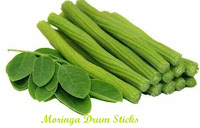
Moringa Drumstick Soup & Potato Curry recipe Moringa drum sticks Traditional Indian easy cooking recipe of Moringa Shorba (Soup) is a delicious and nourishing recipe, rich in the health benefits of moringa drumsticks—widely regarded as a super food for immunity, digestion, and overall health & wellness. Packed with antioxidants, vitamins A and C, and essential minerals like calcium and iron, this flavourful broth supports heart health, regulates blood sugar levels, and promotes glowing skin. Its anti-inflammatory properties help alleviate joint pain and enhance respiratory health. Light yet satisfying, this traditional recipe aids weight management while offering a wholesome meal. Whether you're seeking a detoxifying soup, an immunity booster, or a comforting dish, Moringa Shorba is the perfect addition to a healthy diet. A-Here’s is your Moringa Shorba recipe: A nourishing and flavorful soup infused with the goodness of moringa drumsticks, warming spices, and a...
Authentic Butter Chicken Indian Easy Recipe

"Butter Chicken, or Murgh Makhani- Is a beloved Indian dish featuring juicy marinated chicken cooked in a velvety tomato-butter sauce. It’s rich, mildly spiced, and perfect with naan or basmati rice." Easy cooking and Authentic Butter Chicken is a favorite Indian recipe is a rich and creamy dish that’s packed with warm spices and a velvety tomato-based sauce. This recipe delivers an authentic flavor while being simple enough for home cooking. Whether you're a seasoned chef or a beginner, you'll love this melt-in-your-mouth Indian classic! Butter Chicken Ingredients for Butter Chicken: For the Chicken Marinade: 500g boneless, skinless chicken thighs or breasts, cut into bite-sized pieces ⅓ cup plain yogurt 1 tbsp minced garlic ¾ tbsp minced or finely grated ginger 1½ tsp garam masala (spices) ¾ tsp turmeric ¾ tsp ground cumin ¾ tsp red chilli powder ¾ tsp salt For the Sauce: ...
Aloo Gobi Sabji Indian Classic Recipe

A simple and Traditional " Aloo Gobi Sabji " is more than just a dish—it’s a staple in every Indian household , cherished across generations. Whether it’s a daily meal, festive gathering, or a comforting homemade dinner, this is easy cooking mouthwatering recipes is a combination of potatoes and cauliflower finds its way onto plates with ease. Favourite Alo & Gobi Why Aloo Gobi is a Favorite Dish ? Versatile Pairing: Goes perfectly with roti , paratha , naan , or rice, making it a go-to meal. Celebration Favorited: Served at weddings, family get-together, and religious functions, adding warmth to every occasion. Quick & Easy: A simple recipe that requires minimal ingredients yet delivers maximum flavor. Healthy & Nutritious: Packed with fiber, vitamins, and antioxidants, making it a wholesome choice. Diced Potatoes Cut pieces of cauliflower Ingredients : 2 medium potatoes, diced 1 small cauliflower, cut into florets 2 tablespoons oil ( mustard or vegetable oil...
Comments
Post a Comment